

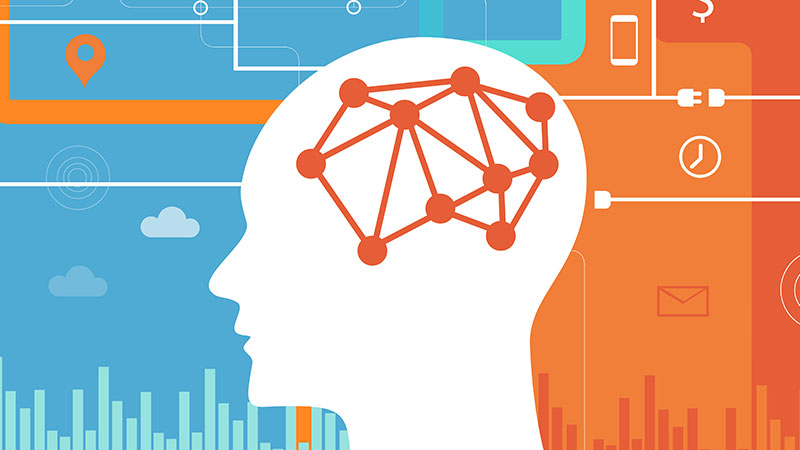
Being a part of the cognitive sciences, neurosciences gather all the disciplines that study the structure and the functioning of the nervous system and its diseases.

Flipped classroom
admin2018-02-14T15:25:41-05:00The flipped classroom is an instructional strategy in which the learner independently studies the notions of the course before attending the class.

Artificial Intelligence (AI)
Doru Lupeanu2018-01-19T14:54:20-05:00Artificial intelligence (AI) refers to the set of theories and technologies used to develop machines or software capable of simulating cognitive functions associated with human intelligence, such as learning or reasoning.

RSS Feed
Doru Lupeanu2018-01-10T12:50:09-05:00An RSS feed - acronym for a "Really Simple Syndication" or "Rich Site Summary" - is an information monitoring technology that tracks any new content on a website and informs any subscribed user.

SCORM
Doru Lupeanu2018-01-10T12:26:09-05:00The acronym SCORM - Shareable Content Object Reference Model (content sharing by using a defined data model) - refers to a way of developing the operability between an LMS (Learning Management System) and the content of an online course.

Synchronous eLearning
Doru Lupeanu2018-01-10T11:02:20-05:00Synchronous eLearning refers to one of the two types of interaction that can take place in an eLearning environment.

Asynchronous eLearning
Doru Lupeanu2018-01-10T11:07:46-05:00Asynchronous eLearning refers to one of the two types of interaction that can take place in an eLearning environment.

Training Needs Analysis
Doru Lupeanu2018-01-10T12:53:05-05:00A Training Needs Analysis (TNA) is the process through which gaps in employee training and related training needs are identified.

Learning Management Systems
Doru Lupeanu2018-01-10T12:53:15-05:00A Learning Management System (LMS) is a software application that helps administer and/or deliver part or all of a training program.